Gypsum-based underlayment has a reputation problem on multifamily jobsites: it absorbs moisture, takes time to cure, and adds a layer crews don't have time for. That's the gap a MgO Underlayment Panel is built to close.
Made from magnesium oxide bonded with an integrated mesh core, this category of panel was engineered specifically for multifamily and light commercial flooring systems — the kind of jobs where fire code, acoustic ratings, and schedule pressure all collide at once.
Why Fire Resistance Isn't Optional Anymore
Floor assemblies in apartment buildings, condos, and mixed-use commercial spaces are held to strict fire-rated standards. An MgO Underlayment Board contributes directly to that rating, slowing flame spread within the floor system itself — not just the wall or ceiling assembly around it.
For inspectors and GCs, that means fewer compliance headaches at the assembly level, and one less material to second-guess during a fire-rating review.
Acoustic Performance That Actually Shows Up in STC/IIC Numbers
Noise complaints between units are one of the most common post-occupancy issues in multifamily housing. MagMatrix-style underlayment panels are formulated to lift both Sound Transmission Class (STC) and Impact Insulation Class (IIC) ratings — the two metrics that determine whether a tenant hears footsteps from the unit above.
That dual improvement matters because many subfloor materials only address one side of the equation, leaving impact noise as an unsolved problem even after airborne sound is handled.
Installation Speed: The Number That Gets Contractors' Attention
This is where the math gets concrete. A properly engineered MgO Underlayment Board installs roughly 30% faster than traditional gypsum-based systems. The reason is straightforward: it's a dry installation. No curing time, no waiting for moisture to leave the slab before the next trade moves in.
On a tight schedule, eliminating a curing window isn't a minor convenience — it can shift a project's critical path by days across multiple units.
One Less Layer in the Flooring Stack
Because these panels can serve as a direct base for floor coverings, they remove the need for a separate gypsum underlayment layer entirely. Fewer layers means fewer materials to order, fewer trades to coordinate, and fewer seams where future cracking or delamination could start.
- Carpet, vinyl, tile, and wood flooring can all go directly over the panel
- No moisture introduced into the structure during install
- Fewer line items on the material budget
Built for the Spaces Where Other Materials Fail
Kitchens, bathrooms, and basements punish ordinary subfloor materials. Magnesium oxide's natural moisture resistance means the panel doesn't swell or degrade in these zones the way gypsum-based products can over repeated exposure.
That durability also extends to higher-traffic commercial environments — offices, schools, hospitals, and hotels — where foot traffic and moisture exposure run well above residential norms.
Health and Code Considerations
MgO-based panels are asbestos-free and non-toxic, which keeps them out of the indoor air quality conversations that sometimes surround older cementitious or gypsum products. For projects pursuing healthier-building certifications, that's a detail worth flagging early in material selection rather than discovering during a submittal review.
Where This Fits in a Spec
If a project's flooring spec already accounts for fire rating, acoustic performance, and a compressed install schedule, an MgO Underlayment Panel is worth pricing out against the gypsum alternative on the next bid. The savings show up less in the unit cost of the board itself and more in the layers, labor hours, and schedule risk it removes from the job.




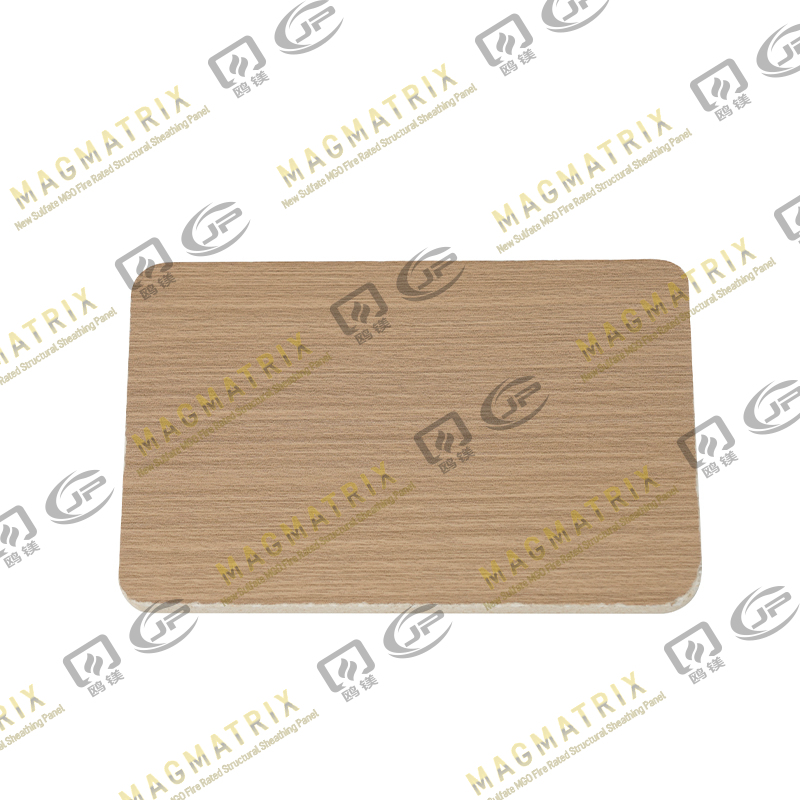
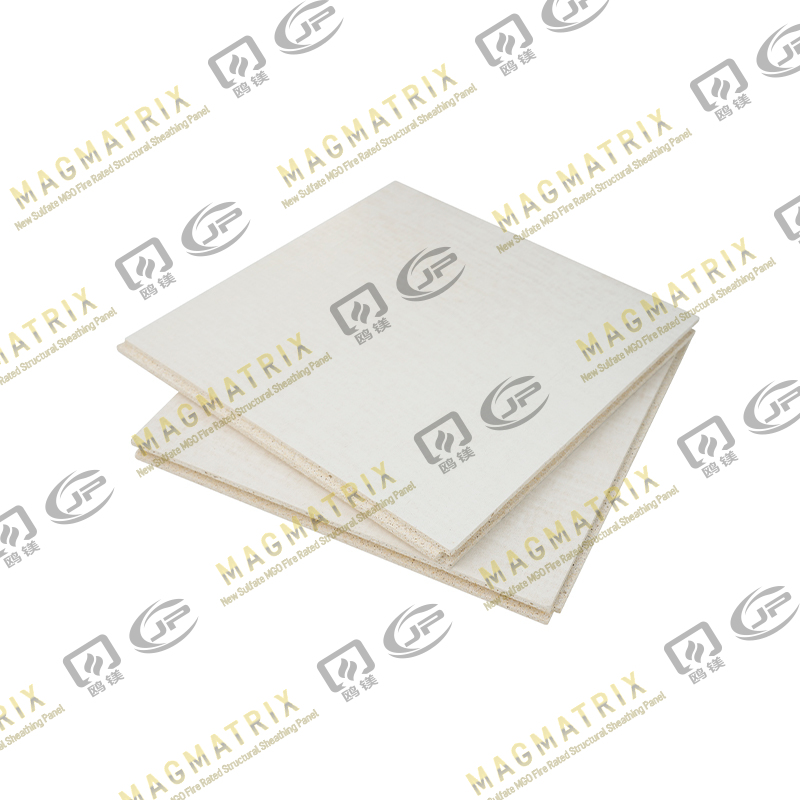
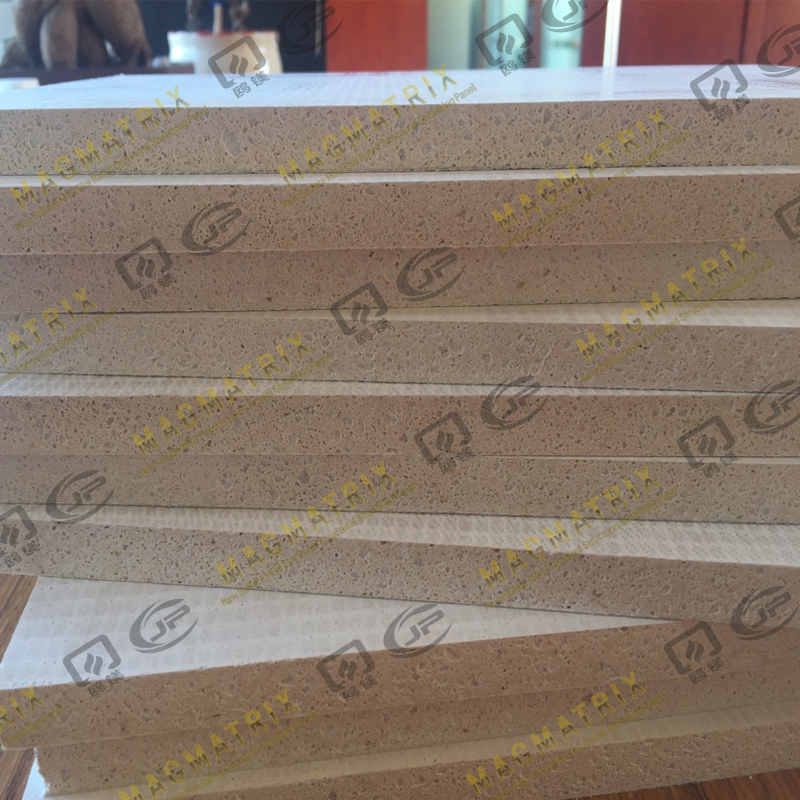 BMSC 517 Yeni Sülfat MGO Kurulu
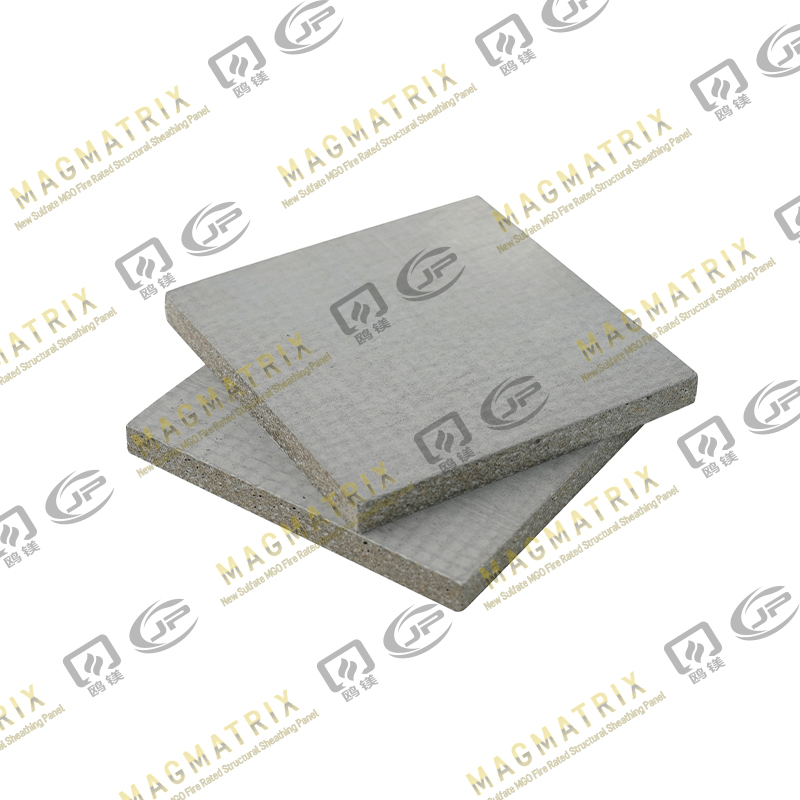 Çok destekli MGO duvar kaplama tahtası
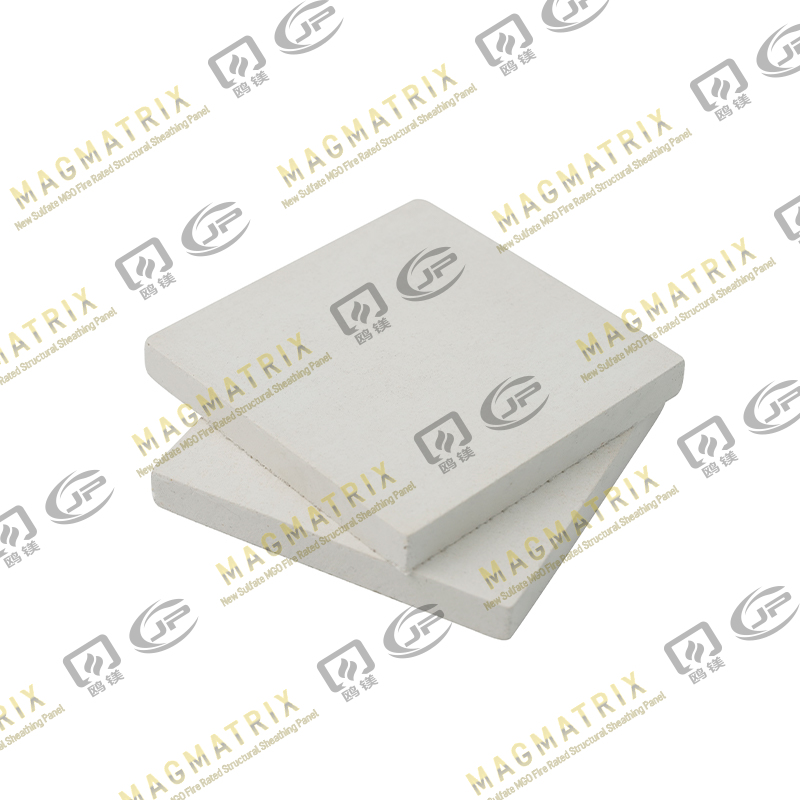 Azim MGO duvar kaplama tahtası
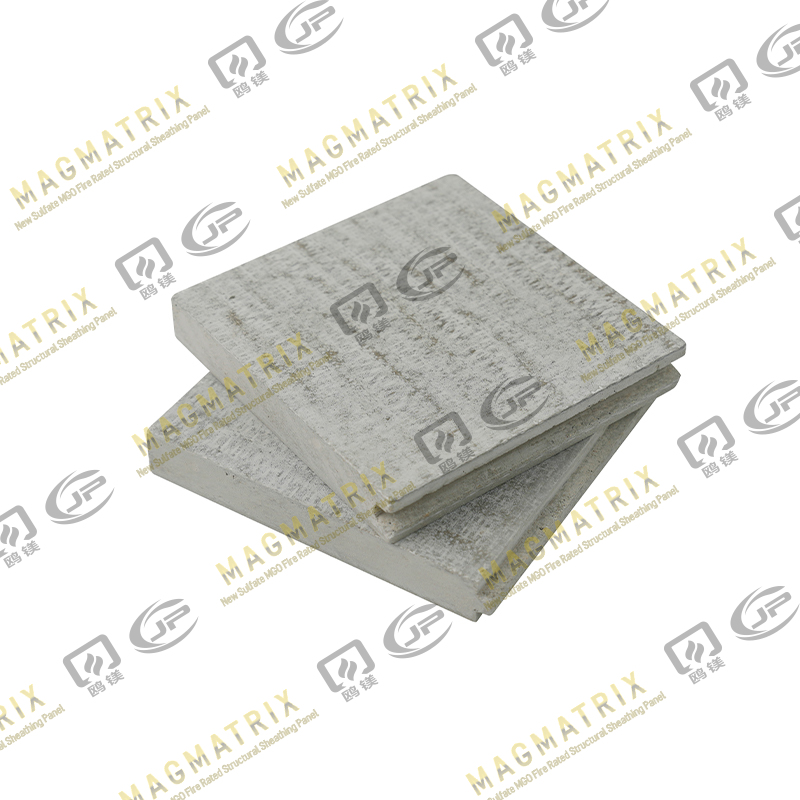 Çok destekli MGO alt zemin kaplama tahtası
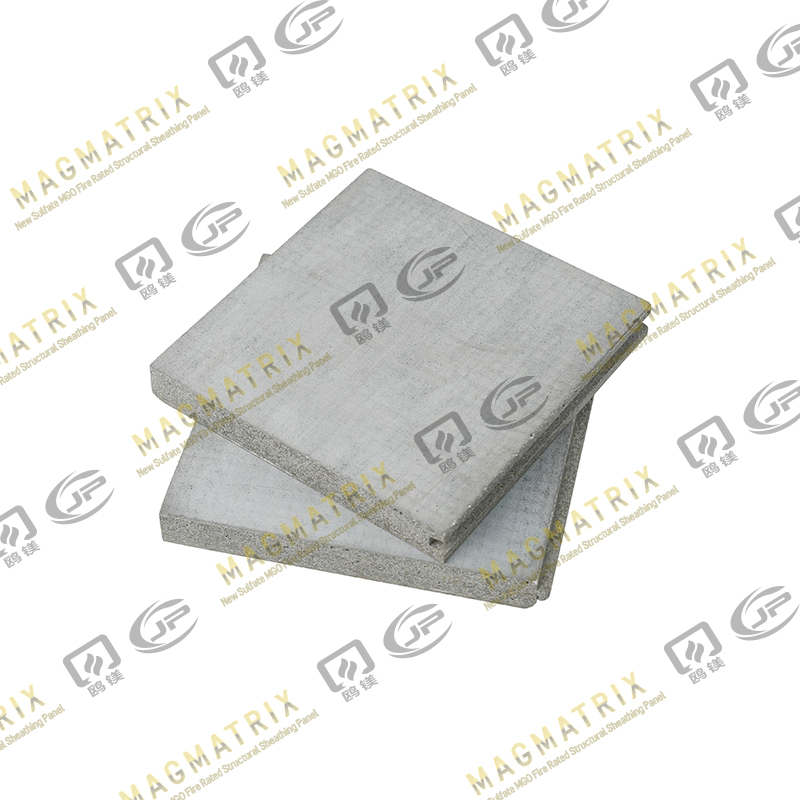 Azim MGO Alt zemin kaplama tahtası
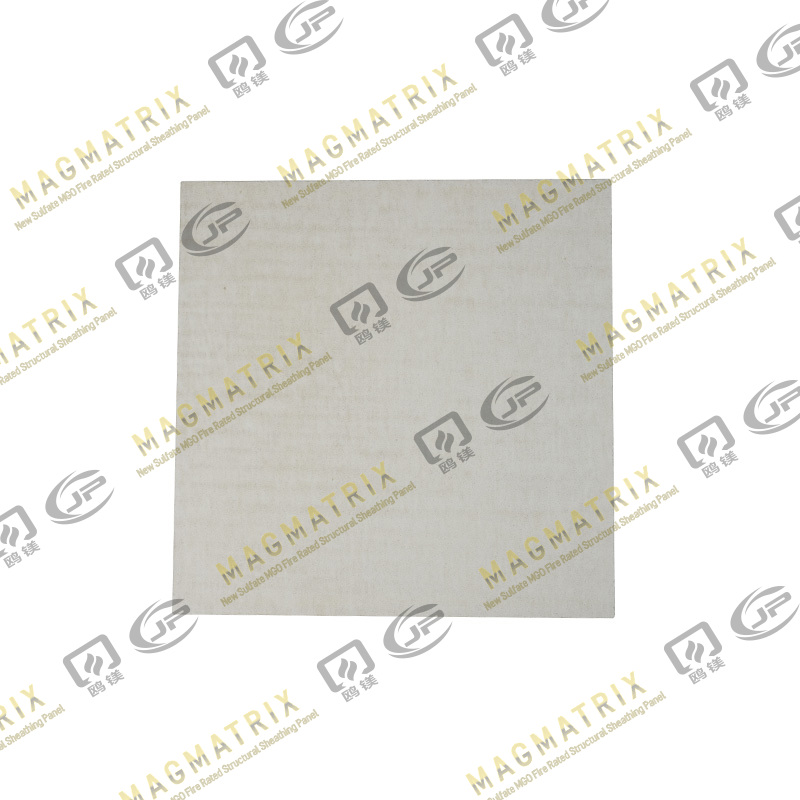 Magmatrix MGO alt tabakası paneli/tahta